
Orthodontic Evaluations for Children
The Right Time to Look Is Before Everything Has Grown.
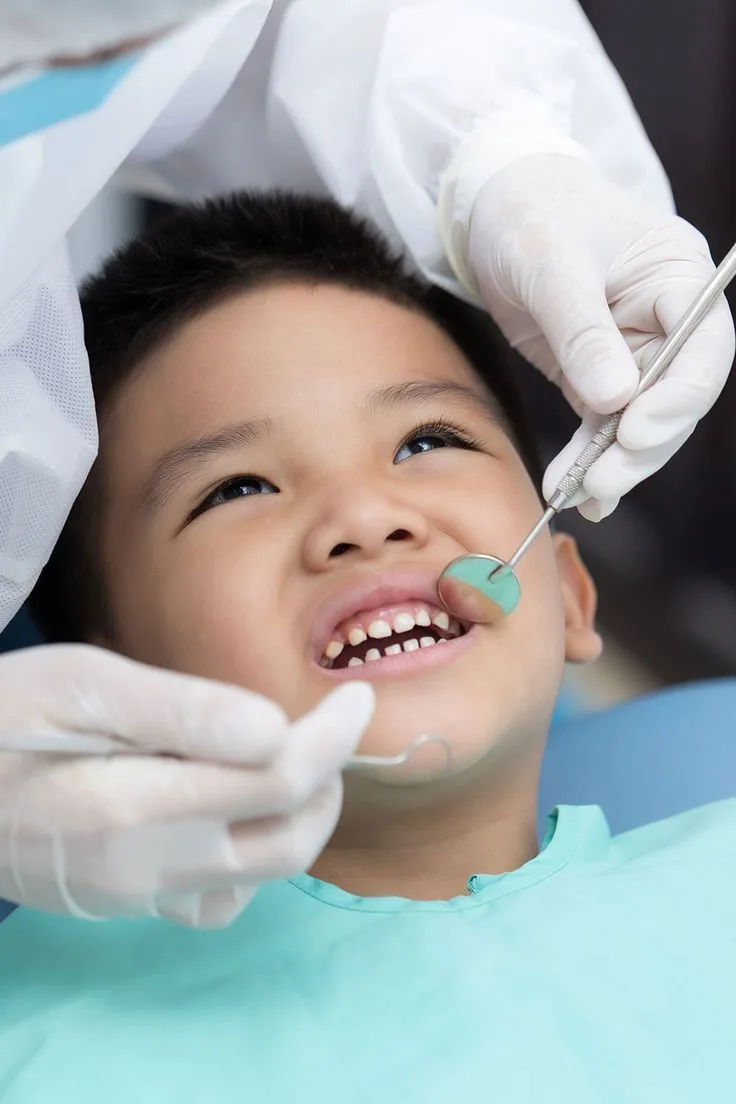
Your child’s teeth may look perfectly straight today.
But beneath that smile, the jaws are growing, permanent teeth are developing, and the bite is gradually taking shape.
Some changes are easy to recognise. Others need an experienced eye.
At Yiannikos Centre for Holistic Dentistry in Nicosia and Limassol, Cyprus, we provide early orthodontic evaluations for children, helping parents understand dental development, tooth alignment, and the relationship between the jaws.
I believe that knowing when to act is just as important as knowing how.
Because a growing smile deserves attention before its development is complete.
When Should Your Child First See an Orthodontist?
You don’t need to wait until all your child’s permanent teeth have come in.
The first orthodontic evaluation is recommended around the age of seven.
Often, the need for an evaluation is first noticed during your child’s regular dental examination.
At this stage, baby teeth and permanent teeth are often present together, giving us valuable information about jaw growth, tooth eruption, and the developing bite.
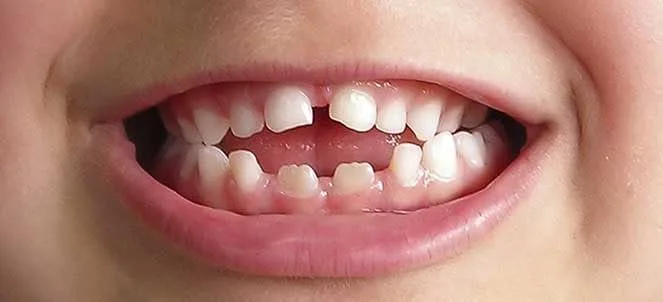
We can identify crowding, crossbites, spacing problems, and differences in jaw development.
An early evaluation doesn’t mean your child needs braces right away.
It means we can understand their development and choose the right time for treatment.
Sometimes the best decision is to begin. Sometimes it is to watch your child grow.
What We Examine During an Orthodontic Evaluation
Orthodontics isn’t just about creating a straight smile.
It is about understanding how the teeth, jaws, and bite develop together.
During your child’s assessment, we examine:
Tooth alignment: Crowding, spacing, rotated teeth, and the position of erupting permanent teeth.
Jaw development: The relationship between the upper and lower jaws and how they are growing.
The bite: Crossbites, deep bites, open bites and other differences in how the teeth meet.
Dental development: The presence and eruption of baby and permanent teeth.
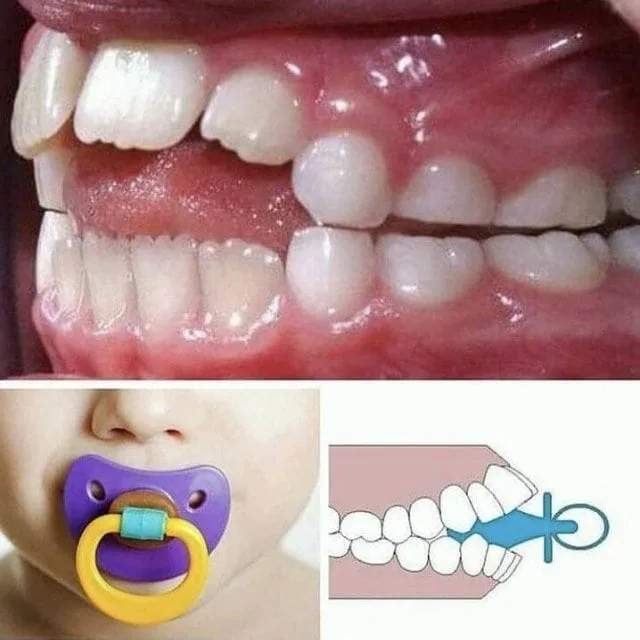
Oral habits: Thumb sucking, prolonged dummy use, and habits that may influence tooth position and jaw development.
Oral health: The condition of the teeth and gums before planning orthodontic treatment.
The aim is to understand how your child’s smile is developing, not simply how it looks today.
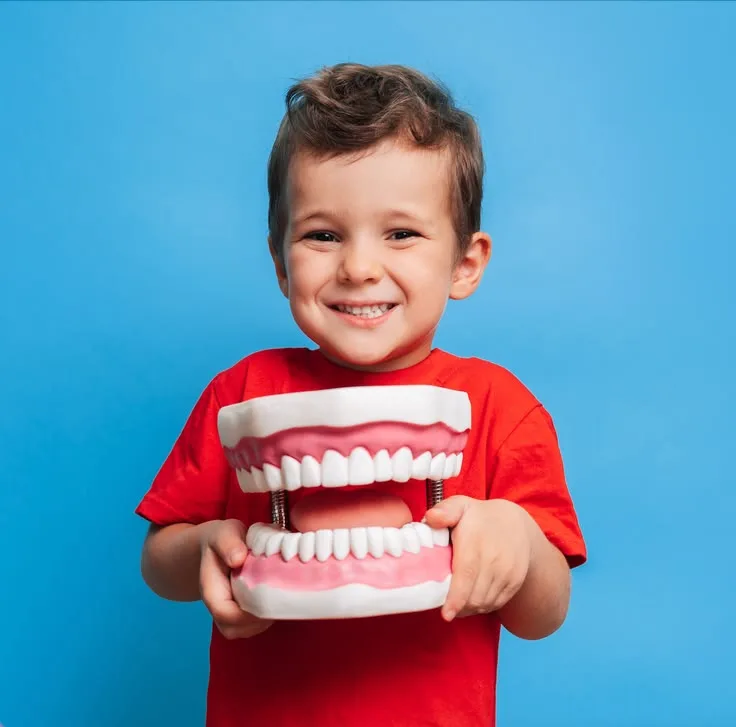
Early Orthodontic Treatment
Certain orthodontic problems are easier to manage while a child is still growing.
For example, an early crossbite may affect the way the jaws close. Significant crowding can make it difficult for permanent teeth to erupt into their expected positions.
Early orthodontic treatment can help address specific developing problems and guide dental or jaw development.
Depending on the diagnosis, treatment may involve a removable appliance, a fixed orthodontic appliance, or another individually planned approach.
Many children do not need treatment at their first evaluation.
For them, regular monitoring lets us track growth and start treatment at a more suitable stage.
Early orthodontics is not about starting treatment sooner. It is to start at the right time.
Digital Orthodontic Assessment
I want parents to understand what we see during an orthodontic examination.
Digital intraoral scanning lets us create a detailed 3D model of your child’s teeth without conventional impression materials.
These digital records can help us assess tooth position, discuss alignment, and support orthodontic planning.
When we need additional diagnostic information, we may also include appropriate dental imaging in the assessment.
We explain the findings and discuss whether treatment or continued observation is the next step.
When you can see and understand the problem, it becomes easier to make decisions.
Our Orthodontic Specialist
A child’s orthodontic development deserves specialist attention.
At Yiannikos Centre, orthodontic evaluations and treatment are provided by Dr Athanasios Nasiopoulos, DDS, MDSc, PhD, Specialist Orthodontist.
He graduated from Aristotle University of Thessaloniki, completed postgraduate orthodontic training at New York University and Lund University, Sweden, and holds a PhD in Orthodontics from Aristotle University of Thessaloniki.
His clinical experience in orthodontics dates back to 1992.
Dr Nasiopoulos evaluates dental alignment, jaw development and the appropriate timing of orthodontic treatment.
He sees patients at Yiannikos Centre in Nicosia and Limassol, Cyprus.
I believe that good dentistry depends on recognising when specialist knowledge is needed and bringing the right people together.
A thoughtful orthodontic plan begins with understanding how your child is growing.
Following Your Child's Development
Children do not all develop at the same pace.
Some lose their baby teeth early. Others take longer. Some need orthodontic treatment during childhood, while others benefit from waiting until more permanent teeth have erupted.
Following an orthodontic evaluation, we explain whether your child needs treatment or a programme of regular observation.
When monitoring is recommended, we review tooth eruption, alignment and jaw development over time.
You will understand what we are watching, why it matters, and when we should reassess.
My aim is to help you make informed decisions at every stage of your child’s development.