

Mercury Removal-SMART Protocol
How We Remove an Amalgam Filling Matters
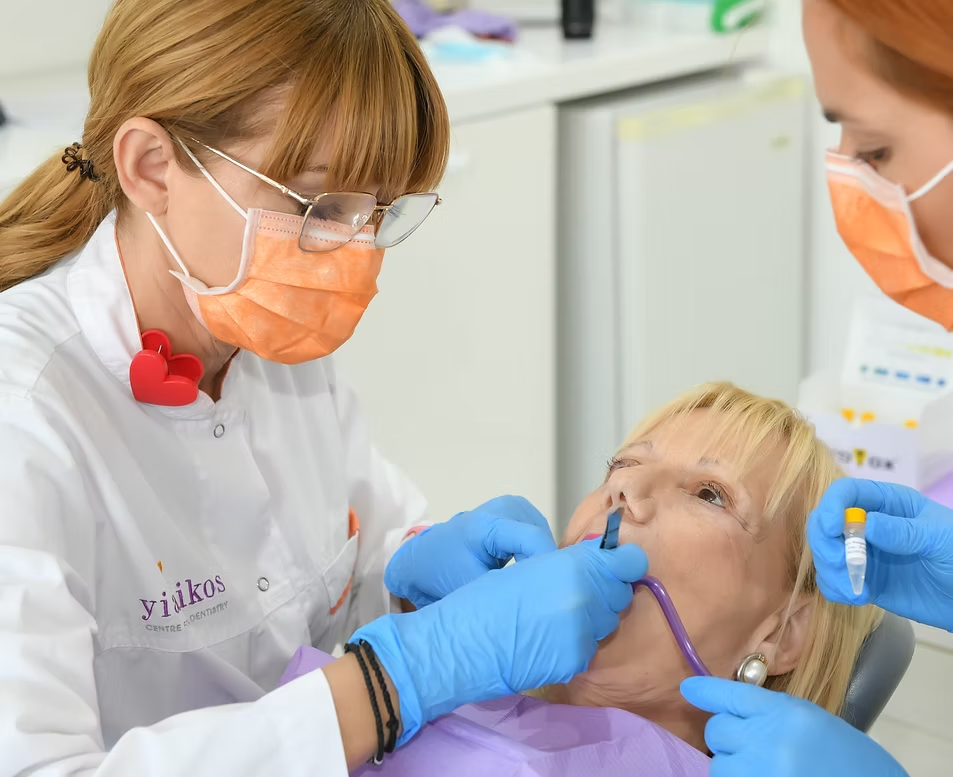
Perhaps you have had a silver-coloured filling for decades. Perhaps you have started wondering what it contains and what would happen if it needed replacing.
I begin by examining the tooth and discussing your concerns. When removal is appropriate, we use the Safe Mercury Amalgam Removal Technique (SMART), developed by the International Academy of Oral Medicine and Toxicology.
The decision to remove a filling matters as much as the way we remove it.
Before We Begin-Every Tooth Deserves Its Own Decision
Dental amalgam contains mercury combined with other metals. We examine the filling for decay, fracture, or other clinical concerns before planning replacement.
What Is SMART?-Protection Begins Before We Touch Your Tooth
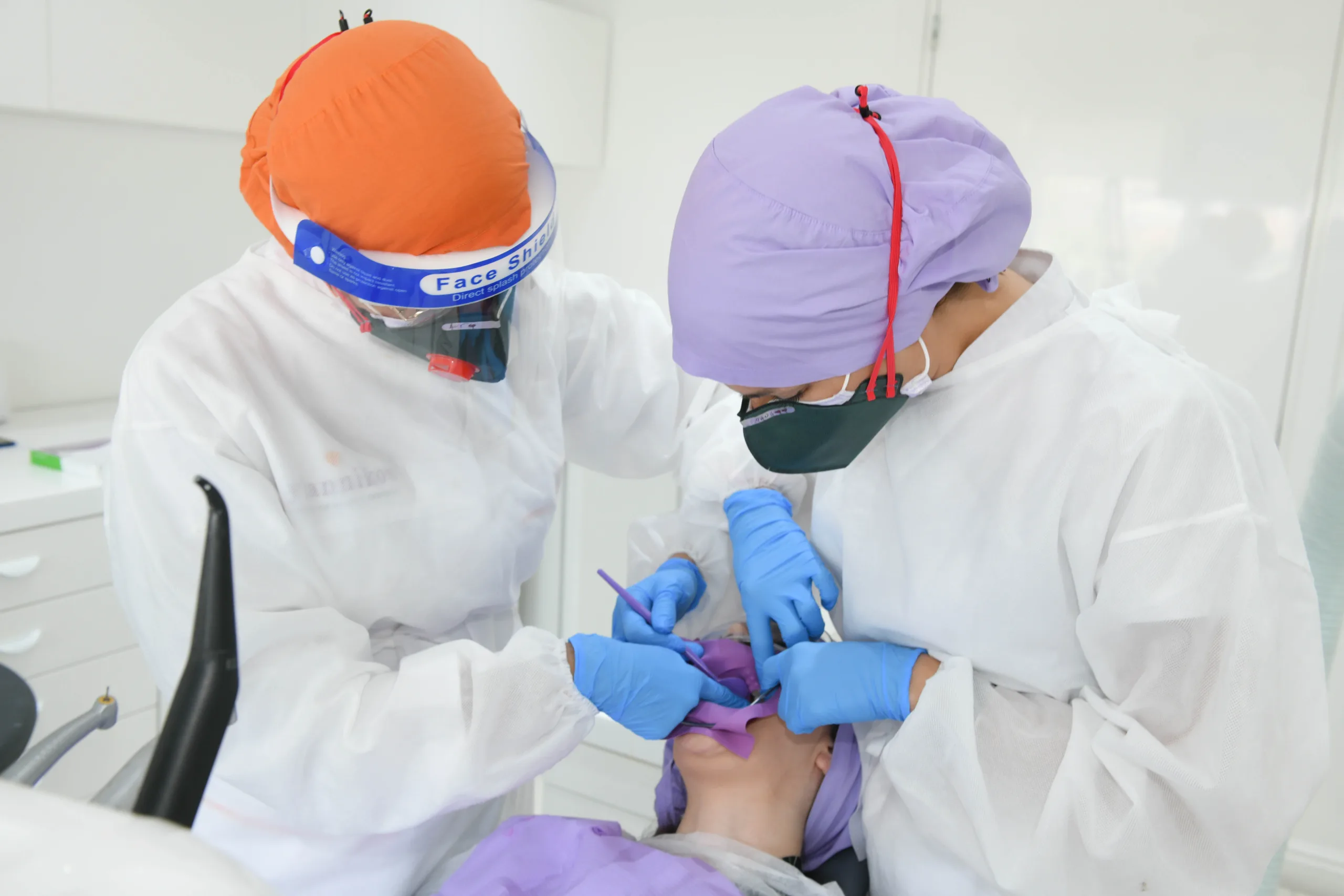
Our SMART protocol combines dedicated air evacuation, nasal cannula oxygen, dental dam isolation, high-volume suction, water cooling, and protective equipment for the patient and clinical team. These measures are designed to manage mercury vapour and particles during removal.
Your SMART Appointment-Every Detail Has a Purpose
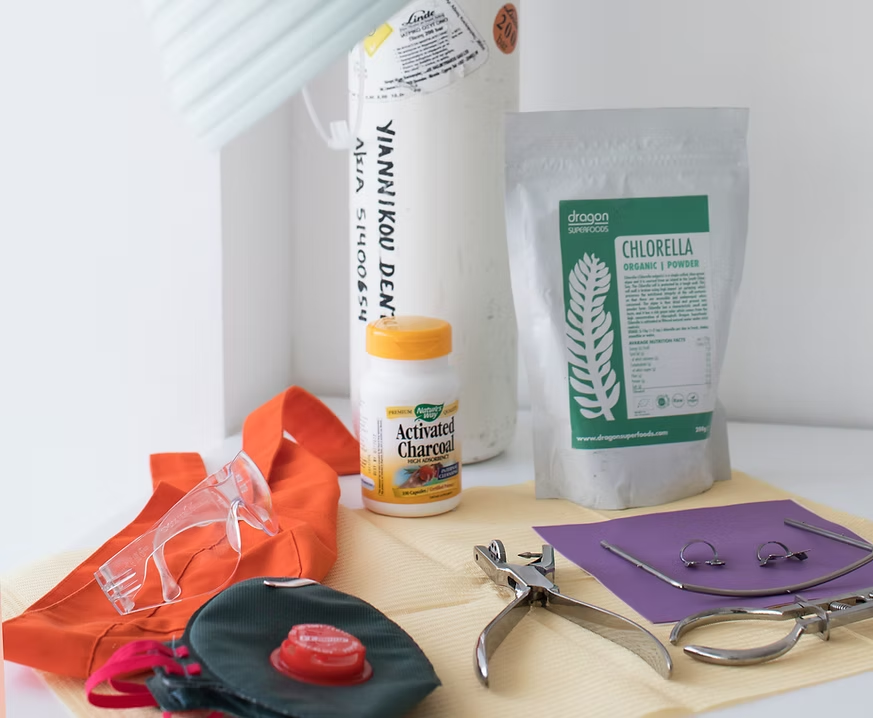
We prepare the room. Dedicated air evacuation helps capture airborne vapour and particles.
We protect your breathing. Oxygen is supplied through a nasal cannula as part of our procedure. It provides an additional breathing-gas source without completely isolating you from room air.
We protect the treatment area. Protective aprons, caps, masks, and nitrile gloves are used. A dental dam isolates the tooth, while high-volume suction helps control fluids and particles.
We remove the filling. The amalgam is sectioned into larger pieces where possible, with water cooling and suction.
We rinse and restore. Our clinic protocol includes a Chlorella-containing mouth rinse as part of the procedure. We then examine the remaining tooth structure and restore it appropriately. The rinse should not be presented as a proven systemic mercury detoxification treatment.
Careful preparation is part of the treatment itself.

Replacing Your Amalgam Filling-What Comes Next Matters Just as Much
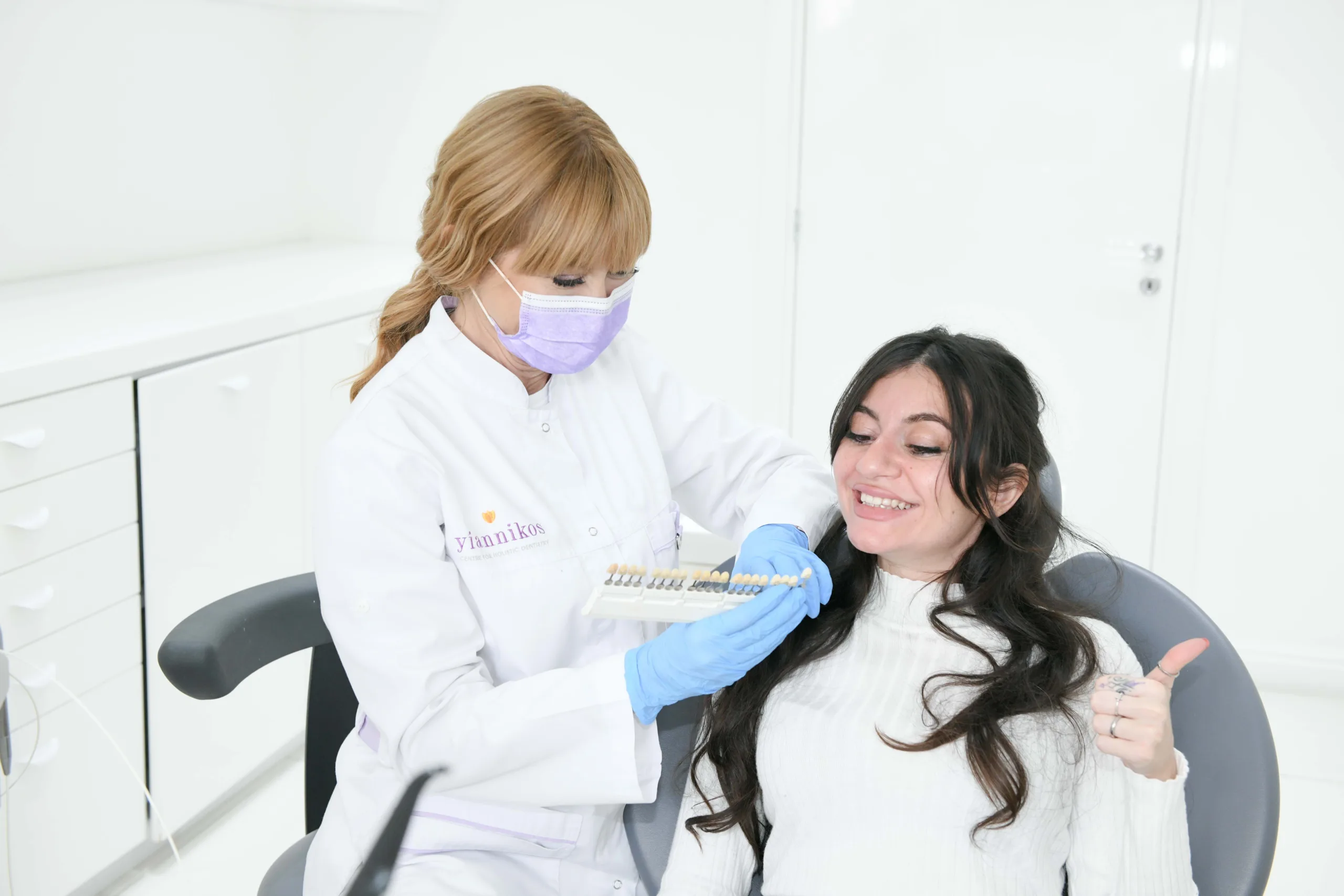
For suitable direct restorations, we use Admira Fusion by VOCO, a ceramic-based ORMOCER® material. Larger defects may call for an indirect ceramic restoration.
I choose based on the tooth structure, function, and clinical requirements.
After Treatment-Your Care Continues at Home
If you have had local anaesthesia, avoid chewing until the numbness has worn off. Temporary sensitivity may occur. Contact us if your bite feels high or discomfort increases or persists.